
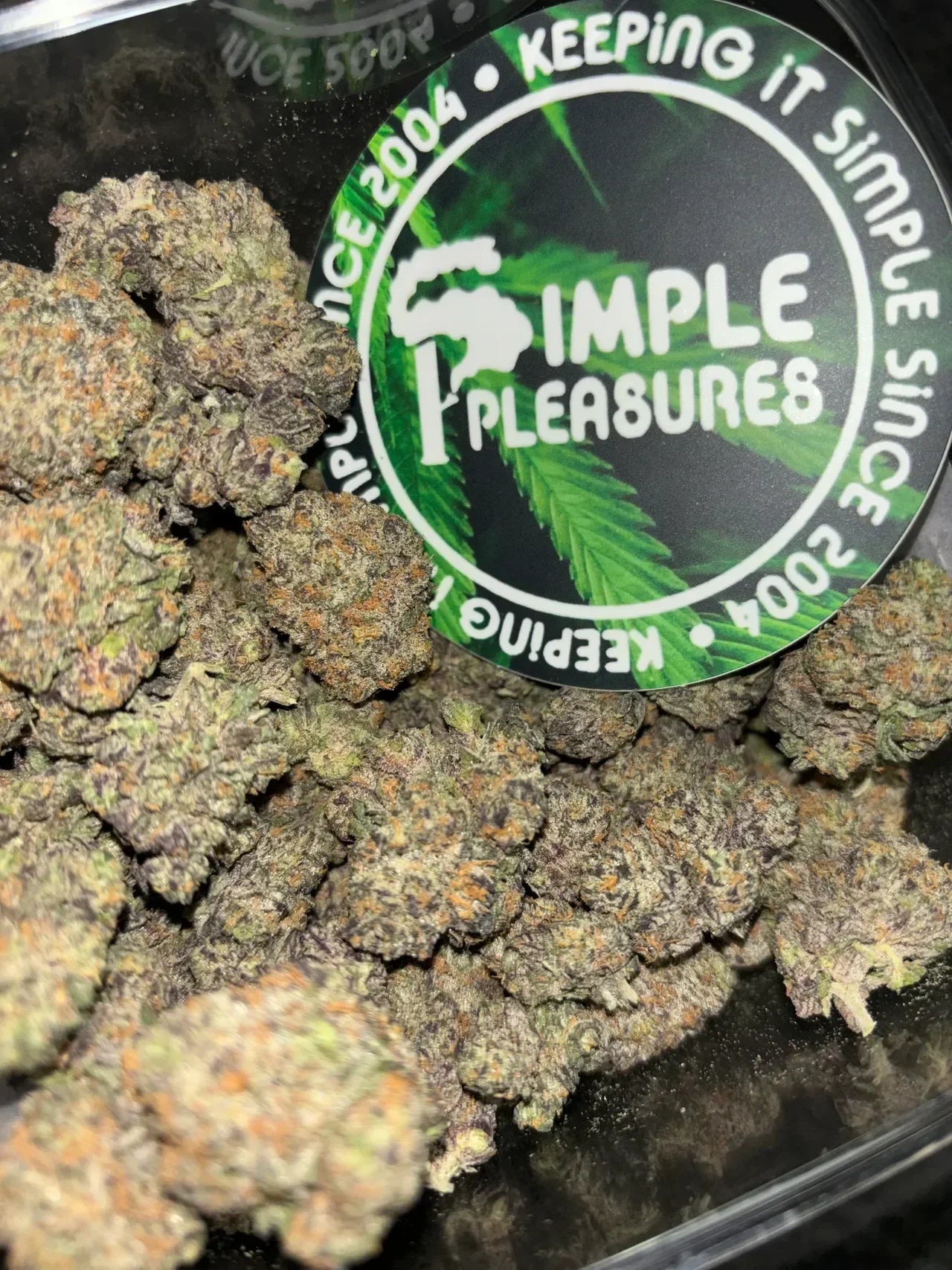
The Rising Star of Cannabis: Understanding THC-A
The landscape of cannabis is ever-evolving, with new compounds gaining attention for their unique effects and benefits. Among these, Tetrahydrocannabinolic Acid (THC-A) has emerged as a compound of significant interest. Unlike its well-known counterpart, Delta-9-tetrahydrocannabinol (THC), which is celebrated for its psychoactive effects, THC-A is a non-psychoactive precursor found in raw and live cannabis.
The Basics of THC-A
THC-A is the acidic form of THC, present in the trichomes of the raw cannabis plant. Through a process known as decarboxylation, which involves exposure to heat, THC-A is converted into THC, the compound most associated with the “high” of cannabis. This conversion means that consuming raw cannabis leaves or flowers typically won’t induce the psychoactive effects associated with THC.
Potential Health Benefits
Despite its non-psychoactive nature, THC-A has garnered attention for its potential therapeutic benefits. Preliminary research and anecdotal evidence suggest that THC-A may possess anti-inflammatory, neuroprotective, and anti-emetic properties. These potential benefits make it an area of interest for individuals seeking relief from conditions like arthritis, seizures, and nausea, without the psychoactive effects.
- Anti-inflammatory: THC-A has shown promise in reducing inflammation, which can help with conditions such as arthritis and Crohn’s disease.
- Neuroprotective Properties: Early studies indicate that THC-A may protect brain cells from damage, suggesting potential benefits for neurodegenerative diseases.
-
Anti-nausea: For those undergoing treatments like chemotherapy, THC-A may offer relief from nausea without inducing a psychoactive state.
Consumption Methods
THC-A can be consumed in several ways, with the aim of preserving its non-decarboxylated state:
- Juicing Raw Cannabis: One of the most popular methods, blending raw cannabis leaves or buds with other fruits and vegetables to make a nutrient-rich juice.
- Raw Cannabis Edibles: Incorporating raw cannabis into foods like salads or smoothies is another way to consume THC-A.
- THC-A Tinctures: Liquid extracts made from raw cannabis can provide a concentrated form of THC-A, often administered sublingually.
Legal Status and Availability
The legal status of THC-A is complex and varies by jurisdiction. In regions where cannabis is legal, THC-A products may be available through dispensaries. However, it’s essential to understand the local laws regarding cannabis and its derivatives. There is currently a pending court case that will determine the future of THC-A in non dispensary establishments here in Maryland. The case moves forward next year.
The Future of THC-A
As cannabis research advances, THC-A continues to be a compound of interest. Its potential therapeutic benefits, coupled with its non-psychoactive nature, make it appealing for medical research and those seeking the health benefits of cannabis without the high. As we learn more about THC-A, it’s likely that its role in medicine and wellness will continue to grow, underscoring the complexity and potential of the cannabis plant.
Conclusion
THC-A exemplifies the diverse potential of cannabis compounds beyond the traditional psychoactive effects. With ongoing research and increasing interest, THC-A may offer new avenues for health and wellness, reflecting the broader shift towards understanding and leveraging the full spectrum of cannabis’s benefits. As the cannabis landscape continues to evolve, THC-A stands out as a fascinating and promising component worth watching.


Leave a comment
This site is protected by hCaptcha and the hCaptcha Privacy Policy and Terms of Service apply.